
Safe water borehole for Tansaglaa, Sawla-Tuna-Kalba District, Savannah Region
For the first time in his 80 years, Chief Alhassan has seen a borehole drilled in his community. The 370 people of Tansaglaa no longer face a six-hour daily walk to reach safe water — or the desperate alternative of digging into a dry riverbed, risking bee stings, disease, and never quite finding enough.
Safe water borehole for Tansaglaa, Sawla-Tuna-Kalba District, Savannah Region
The 370-strong community of Tansaglaa in Ghana’s Savannah Region endured a seven-month dry season with no safe water of their own. Their nearest borehole was a two-hour round trip away — a journey that had to be made three times each day in fierce heat, and which many simply could not manage.
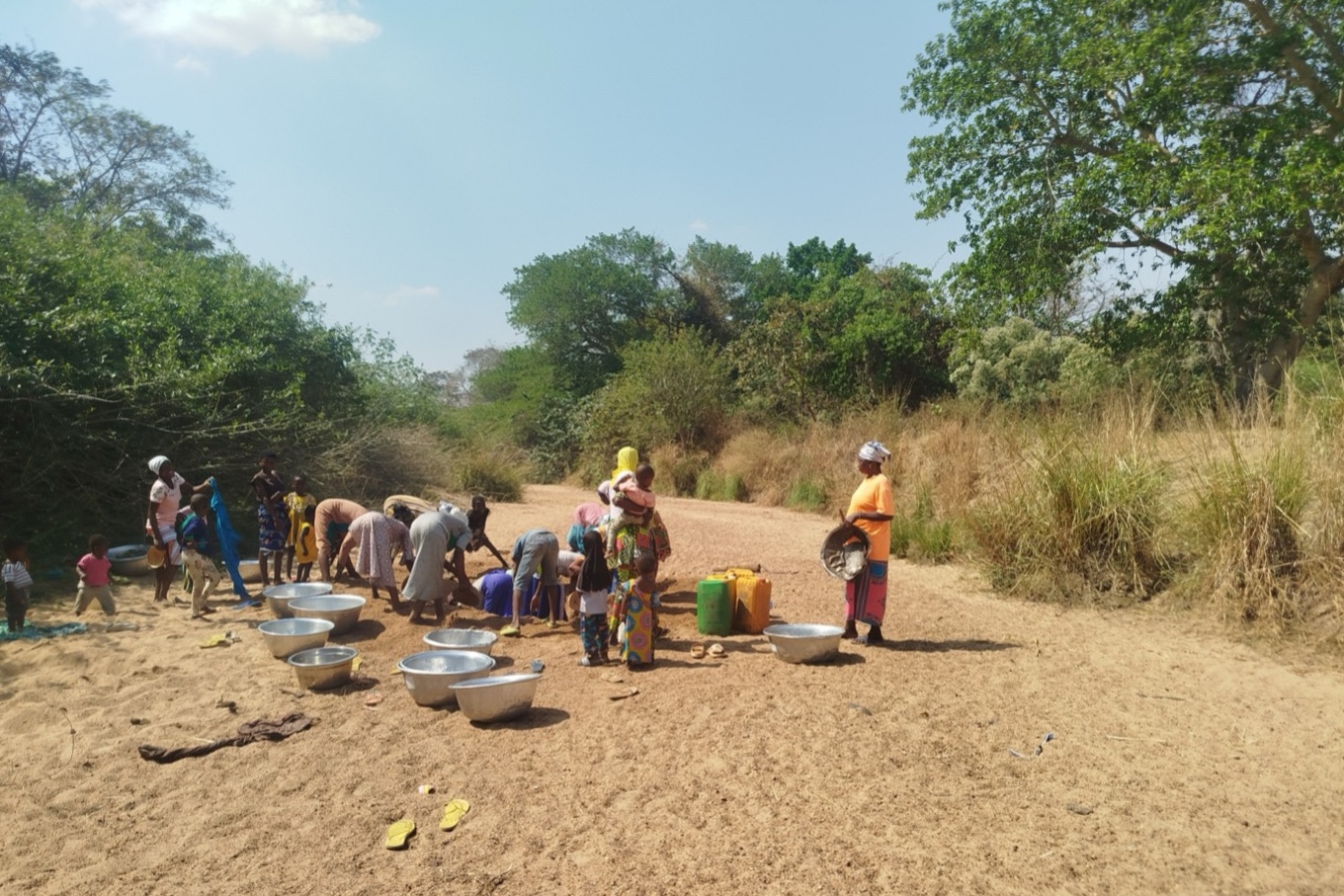
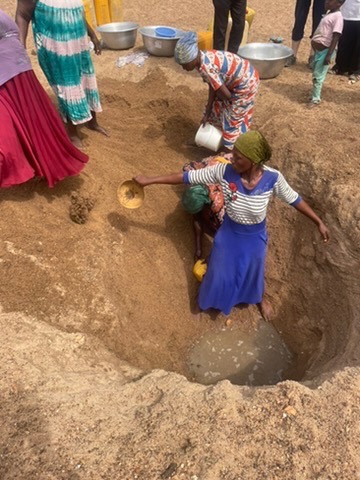
The alternative was to dig down into the dry riverbed, creating a sump hole and waiting for a trickle of diseased water to fill it. It was never enough. Local bees — also searching for water — would arrive and sting those digging with a painful venom. Each night the sump hole collapsed. Each morning it had to be dug again. Women rose at 3 am to begin. Day after day, digging and waiting — and still not enough water to drink, cook, wash or bathe.
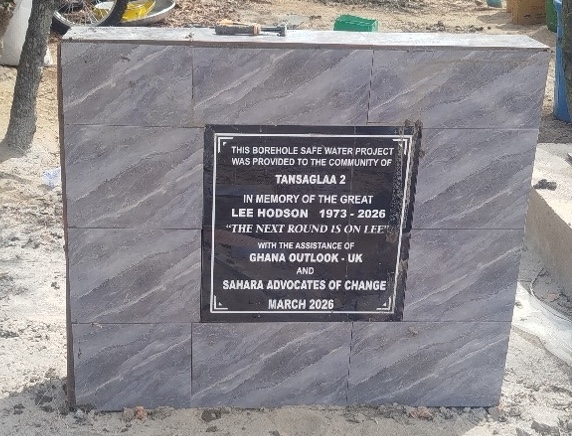
That suffering has now ended. Thanks to a generous legacy gift in memory of Lee and David Hodson, Tansaglaa now has its own safe water borehole.
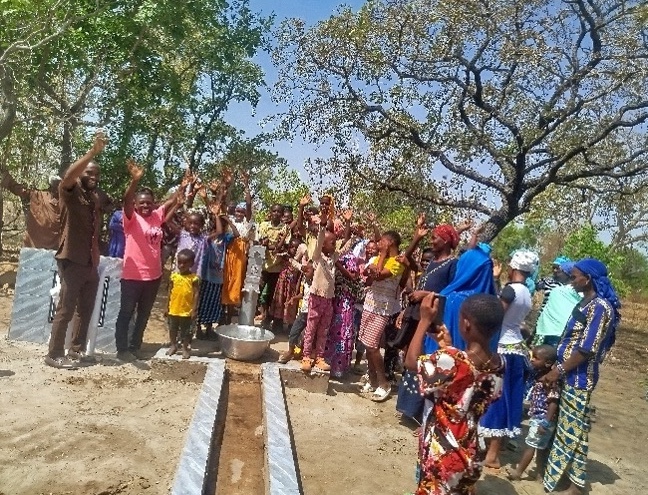
Chief Alhassan, now 80 years old, reflected on what the day meant to him. “I thank the donors that came to help us — their help is very much appreciated, and no words can describe my feeling. Today we can be called human beings. Thank you for the water. The community suffered for so long. I used to see them digging in the river during the dry season, and as the years went by the water had to be dug so deep that bees and insects were biting the people. Today is the happiest day of my life.”
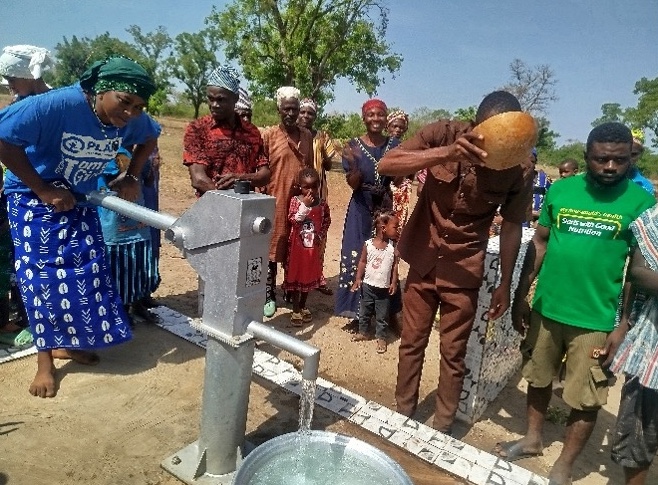
Mahama Mohammed, a 22-year-old resident, was emotional in his thanks. “I consider today as my birthday. God has recognised us today. Today we know we are human beings and are part of humanity. Thank you very much for the borehole.”
Zakaria Mumuni, one of the elders in the Fulani community, put it simply: now that they have the borehole, they can drink water without suffering to get it.
Our thanks go to the Hodson family for trusting us to carry out the wishes of their loved ones, and to Sahara Advocates of Change for managing the project on behalf of Ghana Outlook.